
Responsible Social Gameplay
Why Responsible Social Gaming Matters
| Owner | |
| Address |
Sweepstakes casinos can be a blast. You get the same thrill as real casino games, but you don’t have to spend money, and sometimes you can cash out prizes.
But if the fun starts to feel like something you need, that’s when you should take a step back. Responsible social gameplay is about preventing the development of undesirable gaming habits. It’s not about following rules; it’s about making sure you hang onto your time, your cash, and your sense of calm while you have fun.
I’ll show you how to keep things fun without losing control. You’ll see how to notice if gaming is getting off track, use the tools built into the sites, and what to do if someone close to you seems stuck.
Everything here is for U.S. players, so the tips and resources reflect what’s available across the United States.
What Is Responsible Social Gameplay?
Playing responsibly means following principles that help prevent the development of problem gaming habits. Play for entertainment, not just to win prizes. Keep it fun, and don’t let it run your life.
You’re not the only one who has to pay attention here. Players, operators, and third-party stakeholders all have a role. The Social and Promotional Gaming Association (SPGA) was launched to promote a responsible social gaming environment. Companies like Blazesoft and High 5 Entertainment are already involved in these efforts.
But you, as the player, are still the most important part. This includes spending a controlled amount of time on the site, playing within a budget, and using only dedicated entertainment funds if you choose to purchase coins.
Whatever you call it, it comes down to the same thing: keep an eye on yourself, make sure you’re in charge, and stay safe.
What Is Problem Gambling?
Problem gambling is a situation in which an individual has no control over their gambling activities.
It can include spending more money than you can afford to lose, playing for an excessive amount of time, neglecting family, friends, school, or work, or trying to make gaming your primary source of income.
And this isn’t limited to traditional real-money casinos. It can happen in social casinos and sweepstakes environments as well.
If you’re stuck thinking about your wins all the time, getting angry or distressed about losses, hiding your activity, or logging in constantly, those are warning signs.
How to Spot Problem Gaming
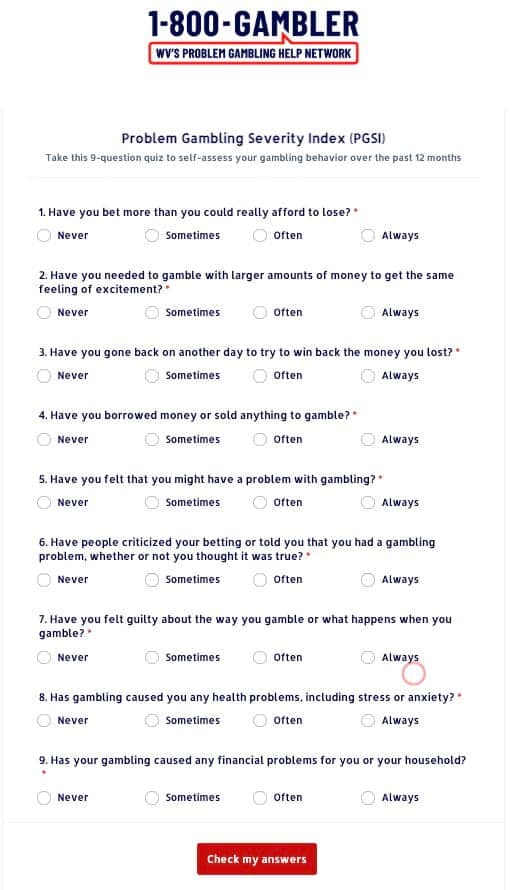
Problem gaming can show up in different ways for different people. Still, there are some warning signs worth paying attention to:
- You’re risking money or valuable items you can’t afford to lose.
- You’re keeping your gaming secret or hiding it from loved ones.
- You’re chasing losses or getting emotionally attached to outcomes.
- You start ignoring work, school, chores, or relationships just to play.
- You’ve tried setting a budget or limits and couldn’t stick to them.
- You’re constantly thinking about logging into your casino account.
The sooner you catch these, the easier it is to get back on track.
What Happens If It Goes Too Far?
If you let these warning signs slide, the consequences can extend beyond money. Problem gaming can lead to:
- Severe financial losses that can spiral into bankruptcy.
- Poor work performance or even job loss.
- Strained relationships, divorce, or legal issues.
- Committing criminal acts to fund compulsive gaming habits.
- Depression, other mental health issues, or, in extreme cases, thoughts of self-harm.
These are documented risks associated with compulsive gambling behavior. The upside: there’s plenty you can do to avoid ever getting there.
10 Ways to Stay in Control
Trying to keep things in check? Here are practical responsible gaming guidelines:
- Always assume you will lose any money you spend on the sweepstakes casino.
- Only use entertainment funds. Don’t use money meant for daily expenses, and don’t borrow money to play.
- Stick with casinos that clearly offer responsible gaming tools. Avoid sites that do not provide these tools.
- Learn the warning signs and assess yourself regularly. If you’re spending excessive time playing or trying to win back losses, take a break.
- Don’t let gaming replace other hobbies. Play in moderation.
- Avoid playing when you’re mentally, physically, or emotionally distressed.
- Set both time and spending limits — and stick to them.
- If you play with others, choose people who demonstrate responsible habits.
- Avoid playing under the influence of alcohol.
- Avoid canceling Sweeps Coin redemptions, as that can lead to spending outside your original budget.
Tools That Help You Play Responsibly
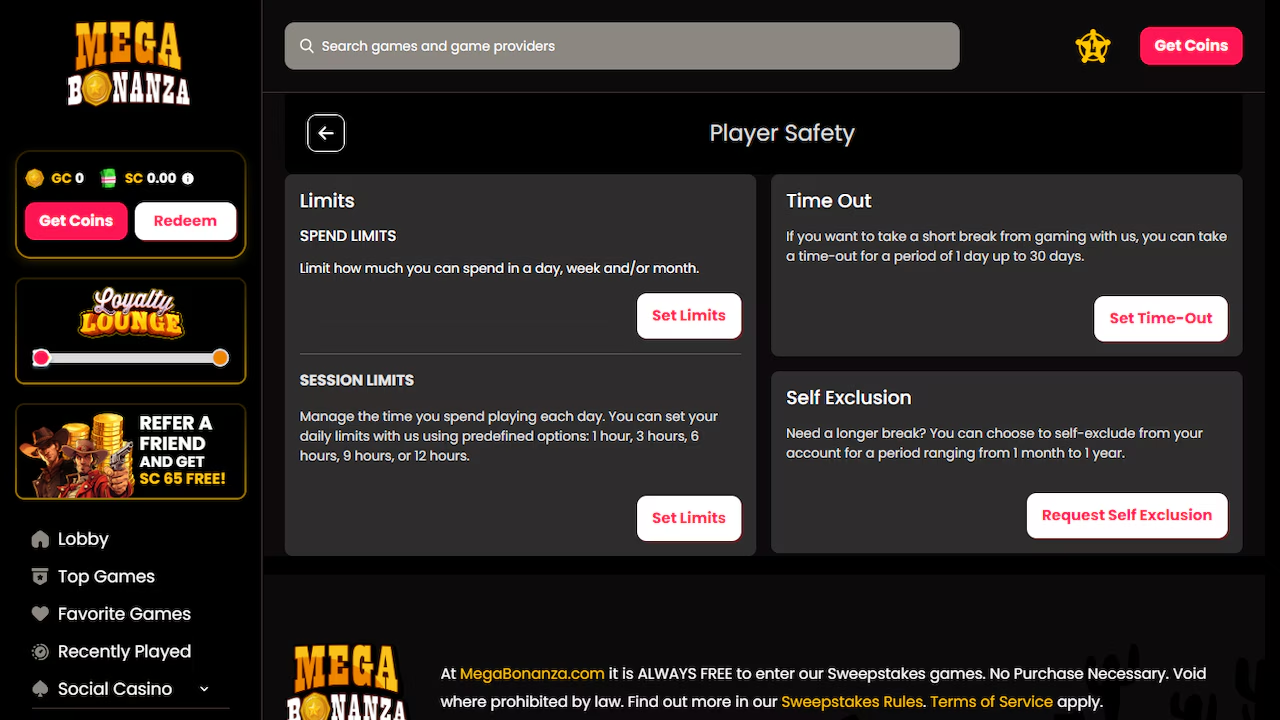
Most reputable sweepstakes casinos offer responsible gaming tools. These settings are usually found in your account section.
Some platforms have voluntarily raised the minimum age from 18 to 21, including Chumba, Stake.us, and High 5.
Stake.us requires identity verification before allowing gameplay, while many other platforms delay KYC verification until a user attempts to redeem prizes.
Self-Exclusion: When You Need a Bigger Break
Unlike a short time-out, self-exclusion blocks your account for an extended period, usually up to five years.
If you self-exclude from Chumba Casino, you’ll also be locked out of related VGW-operated sites, including LuckyLand Slots and Global Poker, for the duration of the exclusion.
WOW Vegas allows individuals to self-exclude even before registering an account.
Self-exclusion halts pending payouts and prevents new prize redemptions during the exclusion period.
If you want to quit permanently, you can request account closure. This action is irreversible, and the account cannot be reopened.
Helping Someone You Care About
If someone close to you is struggling with problem gaming, you can support them without being judgmental.
- Talk openly about the consequences, including debt, strained relationships, and health risks.
- Use blocking software such as Net Nanny, BetBlocker, Gamblock, Cybersitter, or Betfilter.
- Be cautious about lending money if you’re unsure how it will be used.
- Protect shared banking information and monitor joint accounts.
- Encourage alternative hobbies and social activities.
- Help them connect with professional support if needed.
When it comes to kids, watch for:
- Increased time spent on online games.
- Growing interest in gambling-related content.
- Frequent borrowing of money without clear purchases.
- Sudden changes in spending.
- Mood swings or declining academic performance.
- Interest in influencers who stream casino-style games.
Age verification is one of the main tools casinos use to prevent underage gaming, and some platforms only enforce full verification at the redemption stage. That makes parental awareness especially important.
Where to Get Professional Support
If you need professional help, the National Council on Problem Gambling (NCPG) offers nationwide support in the United States:
- Call: 1-800-GAMBLER
- Text: 800GAM
- Chat: 1800gamblerchat.org
They can connect you with state-level resources or national self-help groups such as Gamblers Anonymous, Gam-Anon, or GamTalk.
Final Thoughts
Sweepstakes casinos are popular entertainment platforms. Responsible gaming is essential for keeping them enjoyable.
Industry stakeholders, including organizations like the SPGA, continue promoting responsible social gaming standards. Some have suggested that a national Self-Exclusion Register – similar to GAMSTOP in the UK or BetStop in Australia – could further strengthen player protections in the U.S.
Use the available tools, monitor your habits, and seek help if needed. Keeping gaming in balance is the key to making sure it stays fun.